Saudi Arabia has joined the Madrid System, bringing its geographical reach to 133 countries and reinforcing its position as a practical and efficient solution for protecting trademarks worldwide.
Rebel files for bankruptcy due to trademark case loss
Rebel Creamery has produced keto-friendly ice cream for almost a decade, but a judge recently ruled that its packaging is too similar to Van Leeuwen’s.
Van Leeuwen sued Rebel in April 2021, alleging that Rebel’s packaging copied the distinctive pastel, monochromatic look and black-script branding associated with Van Leeuwen’s pints. Rebel denied knowingly copying the packaging and said it had not been aware of Van Leeuwen’s design when it opened in 2017 but lost the lawsuit and an appeal. The ruling required Rebel to disgorge roughly $23.8M in profits, stop selling the disputed packaging, and redesign its products to create a substantially different commercial impression.
US Supreme Court will decide who determines trademark strength
The U.S. Supreme Court recently granted certiorari in RiseandShine Corporation v. PepsiCo, Inc. to address a narrow but important trademark issue: whether a trademark’s inherent strength as part of a likelihood-of-confusion analysis is a question of law for judges or a question of fact, typically reserved for juries. The answer may affect how often trademark cases are resolved on summary judgment rather than proceeding to a jury trial.
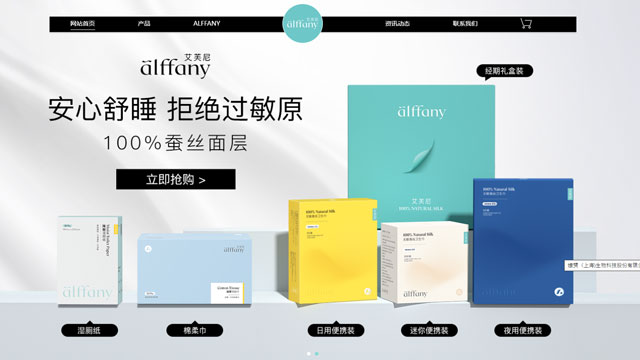
Tiffany files trademark lawsuit against Chinese sanitary pad brand Alffany
A trademark dispute between US luxury jeweler Tiffany & Co and Chinese sanitary pad brand Alffany has recently sparked widespread discussion among Chinese netizens. Tiffany sued Alffany over the alleged similarity between their brand names, with the case now under second-instance review at the Beijing High People’s Court, the Chinese company told the Global Times on Saturday.
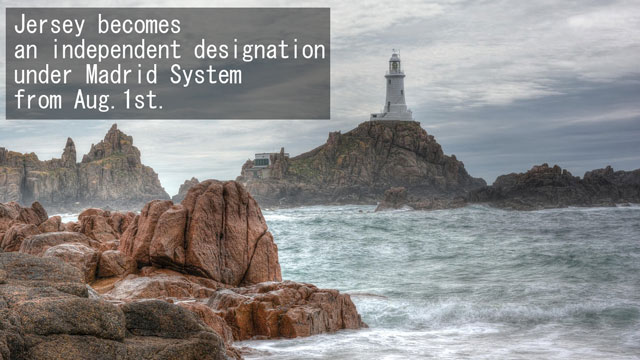
Designating the UK will no longer cover Jersey. To protect your trademark in Jersey, you will need to select Jersey as a separate designation — in a new international trademark application, a subsequent designation, or when renewing an international trademark registration.
Jersey will have its own Office of origin. Applicants based in Jersey will file their international trademark applications directly through the Jersey Registrar of Intellectual Property.
Toyota may be preparing to give the Camry a dash of apex-eating athleticism. A fresh trademark application filed with the United States Patent and Trademark Office reveals that the automaker has officially locked down the “Camry Apex” name, pointing to a potential successor to the discontinued, aggressively winged Camry TRD.
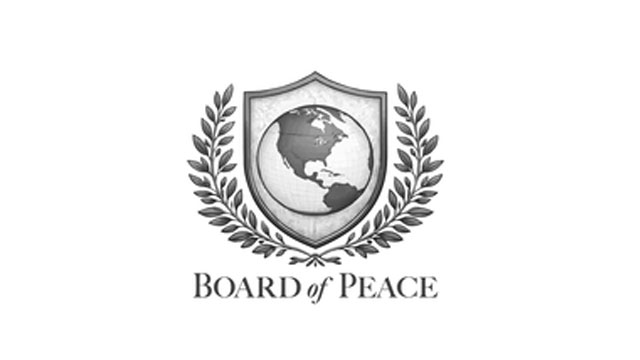
The U.S. Patent and Trademark Office has abandoned a pair of unusual trademark applications the agency filed that sought to secure the branding rights for U.S. President Donald Trump’s Board of Peace.
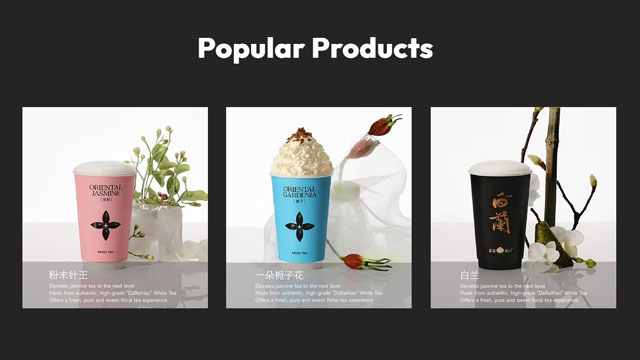
Chinese tea beverage brand Molly Tea said it would appeal a court ruling ordering it to pay 10.3 million yuan ($1.52 million) to French luxury house Louis Vuitton for trademark infringement, a case that has drawn widespread attention on Chinese social media, according to several media reports.
It ordered the Chinese company to pay 10 million renminbi, or around $1.5 million, in damages and 300,000 renminbi, or around $44,000, in reasonable legal processing fees within 10 days of the ruling. The other defendant, Dongxia Beverage Shop in Wuzhong Economic Development Zone, was held jointly liable for up to 100,000 renminbi, or around $14,700, in damages.