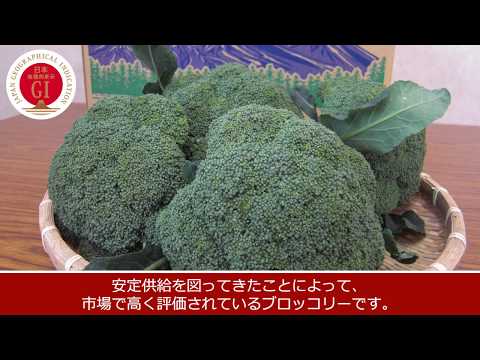

On the 29th, the geographical indication “Hokkaido” usage management committee announced the wine brands that can be described as “Hokkaido” under the geographical indication (GI), which the government protects regional brands.
Chief Cabinet Secretary Yoshihide Suga said at a press conference on the morning of the 5th that he was considering making it impossible to register past era names such as “Heisei” as a trademark after the change of era name in May next year.
On October 1, 2018, a new Myanmar Registration Act (the “New Act”) took force. The New Act requires:Filed documents to be in the Myanmar Language; orIf the filed documents are not in the Myanmar Language, a translation of the filed documents must be submitted along with a certification from a Myanmar Notary Public.
These services have become increasingly prevalent. To otherwise savvy business people – entrepreneurs who are cautious about expenses and are accustomed to doing things themselves, and foreign companies with great products but are unfamiliar with the intricacies of United States Patent and Trademark law – these advertisements that tout low-cost and filing ease may seem intriguing. But using such services can be costly – in fact, crippling – particularly in cases where the business is investing in and dependent on the roll out of its branded products.
A couple weeks ago, the online Chinese magazine Sixth Tone ran a story titled “China Founds Trademark Office to Protect Domestic Brands.” The gist of the story is that on Oct. 17, 2018, a new trademark office was established in Shanghai for the sole purpose of helping Chinese companies protect their intellectual property overseas: The […]